

The 7-Hour Drive That Became a 90-Minute Flight
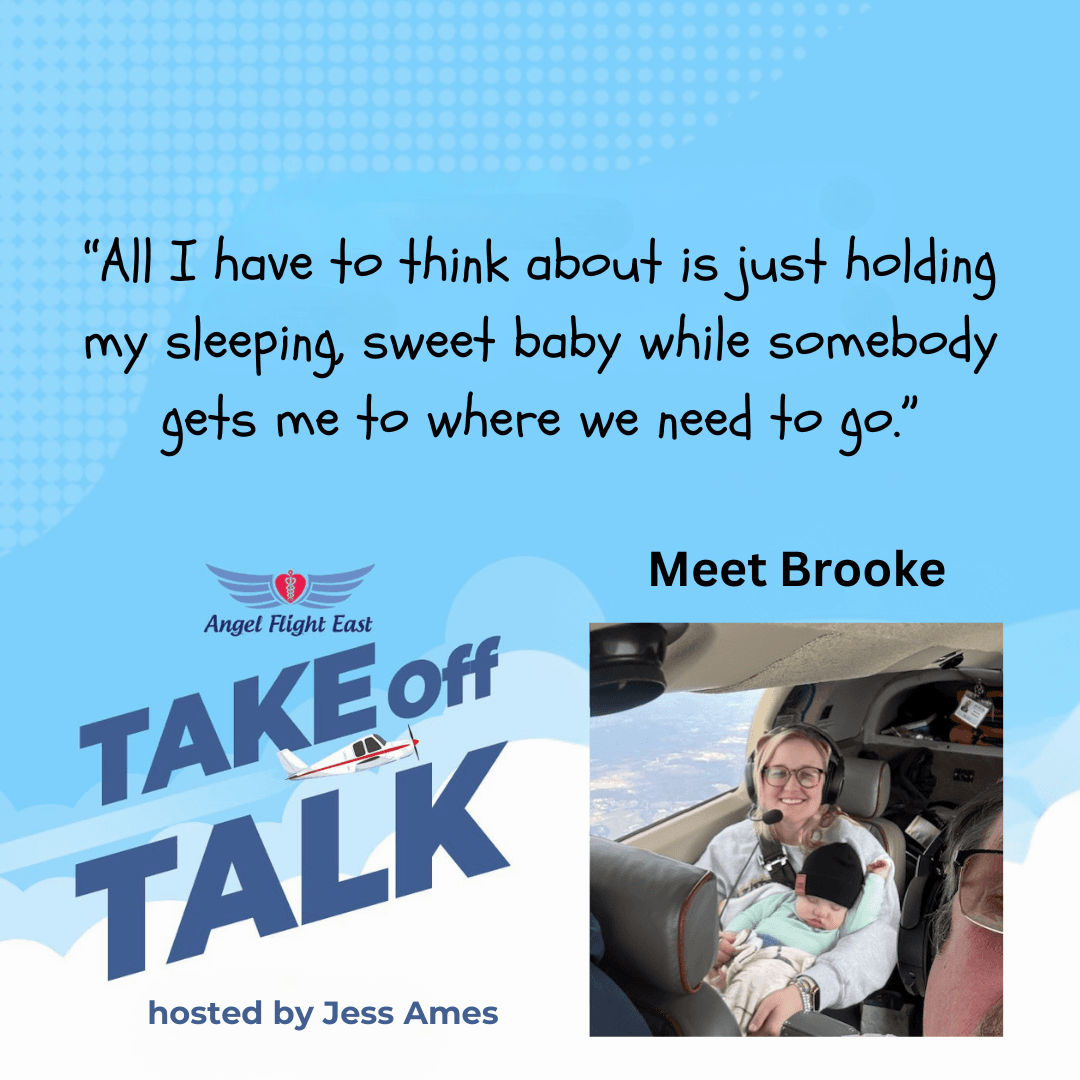
"All I have to think about is holding my sleeping, sweet baby while somebody gets me to where we need to go to get him care.”
That line stayed with me. Because this story is not really about aviation. It is about what happens when one act of service removes fear, cost, time, and stress from a family already carrying too much.
What would change for a parent if a five-hour medical trip stopped feeling impossible?
When Everything Changed in Days
My son Liam was born on June 22, 2025. Within days, everything changed.
He became septic. We learned he had one kidney. More testing showed spina bifida. Then, after we got to Children’s Hospital of Philadelphia, we got the diagnosis that explained so much and terrified us at the same time: lumbar syndrome. He is only the 151st known case ever diagnosed.
That number is shocking. But what it means in real life is even harder. It means frequent specialist care. It means surgeries. It means uncertainty. It means catheterizing my baby every three hours, around the clock, sometimes more. And it means that expert care is five hours from home.
The Part Most People Never See
People hear “medical travel” and think about miles. I think about rest stops. Try taking a six-month-old baby on a five-hour drive. Then add a medical routine that cannot wait. Then picture doing it in a public restroom, with no privacy, no clean setup, and no guarantee there is even a family bathroom.
That was our reality.
“Trying to stop at the turnpike restroom to catheterize him… it’s just absolutely impossible to do that.”
The five-hour drive was never just five hours. It was closer to seven with stops. Then add a hotel the night before, sometimes another night after. Add gas. Add missed work. Add the physical stress on a baby who has had surgeries on his back and bottom area and hates the car seat.
This is what access looks like when care exists, but getting there still breaks you.
The Call That Changed the Math
I heard about Angel Flight through a friend. At first, I thought it sounded too good to be true. A volunteer pilot. A small plane. Ten minutes from my house. No crowded airport. No three-hour drive just to catch a flight. I kept asking myself, how is this real?
Then I applied. And it became real fast. The seven-hour day turned into a 90-minute flight. The airport was 10 minutes from our house. The stress dropped. The cost dropped. The chaos dropped. And Liam slept through every flight.
“Flying with Angel Flight has been a lifesaver. Not only financially, but just the stress.”
That is the real value of public benefit flying. It does not just move people. It restores margin for families who have none left.
Why This Matters More Than Most People Realize
This is bigger than one family. In rural communities, major pediatric hospitals are often hours away. In medically complex cases, local treatment is not an option. For Liam, CHOP is not a short-term solution. It is lifelong care.
Without help, every appointment becomes a financial and emotional calculation. Can we afford gas? Can we afford a hotel? Can my husband miss another day of work? Can we safely manage the trip?
That is why services like Angel Flight matter. They close the gap between diagnosis and access. Not with policy talk. With practical help. A pilot. A plane. A seat. A family gets there.
The Other Gift I Did Not Expect
There was another layer to this story. Community. After Liam’s diagnosis, I connected with Ashlyn from the Love From Liam Foundation. Her son also has spina bifida. She helped me when I was overwhelmed and forgetting everything I knew, even as a nurse.
That connection turned into action. Now I help with events like Laps for Liam, which brings families together and raises money for spina bifida awareness and support. Kids come from Pennsylvania, New York, New Jersey, and beyond. That matters.
Because families in crisis do not only need treatment. They need people who understand the language, the fear, the appointments, and the exhaustion.
What You Can Do With This
If you run a nonprofit, hospital program, or patient community, do one simple thing. Spread the word.
Most people have no idea services like Angel Flight exist. I did not. If I had not met the right person, I might still be making those drives.
So tell families. Tell social workers. Tell care coordinators. Tell pediatric clinics. Tell the parent sitting in the waiting room who looks like they are holding it together by one thread.
“Everybody, if they qualify and they need it, should reach out.”
And if you are in a position to support this kind of work, do it. Volunteer. Donate. Partner. Share the story. Because sometimes the most meaningful help is not dramatic. Sometimes it is simply cutting a seven-hour burden down to 90 minutes.
What Happens Next Is Up to Us
Liam will keep going to CHOP. That part is not changing. But the way his family gets there did change. And that changed everything around it. That is what real support looks like. It is specific. It is practical. It shows up.
So here is my question for you: Who in your world is carrying a burden that would look smaller if more people simply knew how to help? Start there. Then spread the word.