

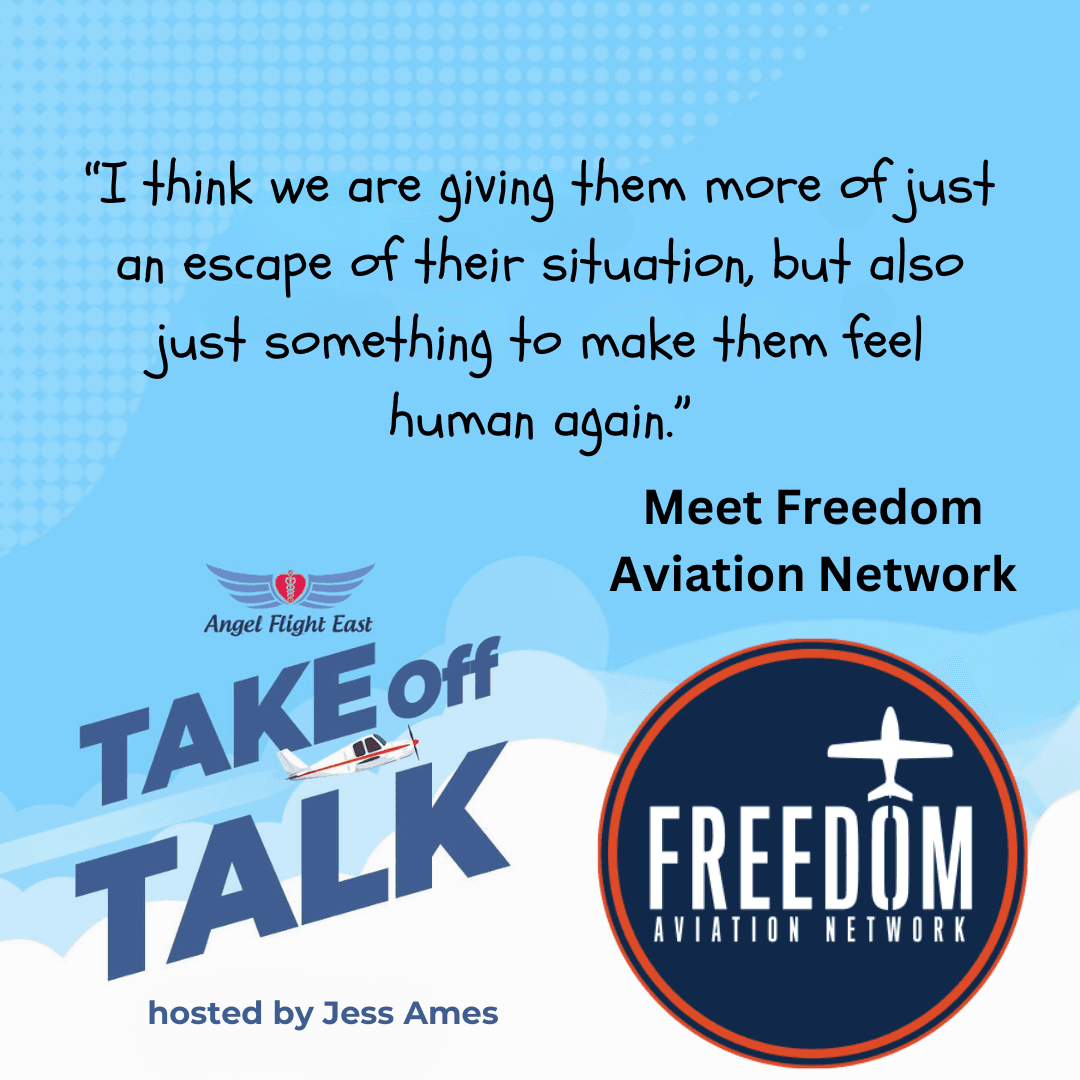
“He Can’t Touch Me Up Here”: What One Flight Can Change
“This is the first time I felt safe.” I read that line and stopped.
Not because it was dramatic. Because it was plain. Direct. Heavy. A survivor said it during a flight arranged by Freedom Aviation Network, a volunteer pilot group that helps people leave trafficking situations and reach safety, shelter, court appointments, and family reunification.
The Truth Hits Fast
This story is about more than transportation. It is about what happens when someone believes help will actually show up. That one shift changes everything.
Before a flight was available, some partner organizations saw about a 50% follow-through rate when someone was trying to leave. Once survivors knew a pilot was coming for them, Stephanie said they were leaving “about 100% of the time.”
That number stayed with me. Not because it sounds good in a headline. Because it shows what trust can do when it becomes real.
How Two Pilots Found a Gap No One Was Filling
Freedom Aviation Network started small. Stephanie and one other pilot began in the Nashville area after seeing a problem up close. A young woman connected to another nonprofit had gone missing and needed to be brought back from Ohio. The drive would have taken eight to ten hours.
Stephanie had a simpler thought. Why not fly? That question became an organization.
At first, one nonprofit only used them a couple of times. The need seemed lower than expected. Later, Stephanie learned the real issue was not demand. It was hesitation.
The organization did not want to keep asking for something so generous. Once Stephanie made it clear that the answer was still yes, everything changed. In the next few months, that same partner used them about 15 times.
Today, Freedom Aviation Network has completed more than 300 missions. That is what happens when service is offered in a way people can trust.
“No, just call us every time. Let us know, and we’ll be here for you.”
The Part Most People Miss
A lot of people think the hardest part is the airplane. It is not. The hardest part is building enough trust for someone to step toward a new life.
Freedom Aviation Network works through nonprofit partners already serving survivors. That matters. It means the person in need is not being asked to navigate one more system alone.
It also means the support is structured with care.
They help with:
- transportation to safe shelter
- travel to restorative care outside a local area
- shelter relocation
- return trips for court appointments
- flights that help reunite mothers, babies, and children with family
About half of their flights are for people leaving their situation. The rest are the quiet, often overlooked trips that help someone stay on the path forward.
This Is Why Their Model Works
There are details in this story that I think deserve more attention. Freedom Aviation Network does not simply arrange a seat on a plane. They protect dignity from start to finish. They work through partner organizations, not direct public intake.
An advocate travels with the survivor. The pilot is never left alone to manage emotional or logistical needs outside the flight. The destination process is handled with care and privacy. The person being helped gets a voice in where they are going. That last point matters more than it may seem.
When someone has lived under control, choice is not a small thing. Choice is part of healing. Stephanie said they do not place conditions on care or require someone to go to a certain type of facility. The individual works with case management and helps decide the next step. That is real service. Not control dressed up as help.
The Moment a Person Starts Feeling Human Again
This was the part I could not shake. Stephanie described how some survivors arrive frightened, quiet, unable to make eye contact. Then they get in the air, and something shifts. They start asking questions. Can we go through that cloud? Can I see this? They begin to come alive. I think that says everything.
Not because the flight erases what happened. It does not. But because, for a moment, someone is treated with care, respect, and calm. Someone shows up. Someone follows through. Someone says, this trip is for you.
Freedom Aviation Network even calls survivors “VIPs.” At first, that might sound like a small branding choice. It is not. It is a statement.
If someone is flying on a private aircraft donated by a volunteer pilot, then they deserve to be treated with dignity. They receive go-bags with items like a blanket, snacks, and sunglasses. Simple things. Thoughtful things. Human things.
“My pilot talked to me. This is the first time I felt like a person.”
That line should stop all of us.
The Scale Is Bigger Than Most People Realize
Stephanie shared a hard truth. Many people assume trafficking is happening somewhere else. Somewhere far away. Somewhere they do not need to think about. Then the phone rings in their own region.
Freedom Aviation Network now has around 200 pilots. Calls have come from across the country, even though the group tries to stay focused on the Southeast. When needed, they coordinate with other volunteer pilot communities to help cover areas beyond their main footprint.
The demand is not isolated. It is widespread. And the organization is meeting it with one salaried staff member, volunteers, and a mission that refuses to turn away from hard work.
That should tell us two things. First, the need is real. Second, small teams can still create massive impact when the mission is clear.
What Makes Pilots Say Yes So Fast
One detail from the interview stood out to me. Stephanie said nearly every pilot asked to help has jumped at the chance. I understand why. This kind of flying gives purpose a clear shape. It is not abstract. It is not delayed. It is one aircraft, one route, one person, one turning point. That matters.
Angel Flight East sees this same spirit every day. Pilots want to use their time, skill, and resources to make access possible. They want flying to mean something beyond the cockpit.
And here, the meaning is immediate. A person boards in fear. They land with a path forward.
If You Want to Help, Start Here
This is the part where stories often get soft. I do not want to do that. If this moved you, do something with that feeling.
Want To Be Part of the Reason Someone Gets Out?
If you are a pilot, consider signing up to volunteer. Freedom Aviation Network asks for 250 hours of total time. That is it.
Not every mission will be nearby. Not every request will fit your schedule. But if more pilots join in the right places, more people can move to safety without delay.
If you are part of a nonprofit network, share their model. If you know organizations serving survivors, make introductions. If you are a donor, support the work behind the scenes.
Flights like these require coordination, planning, staffing, software, and fast response. This is not just about fuel. It is about making sure no request slips through. That is why one full-time flight coordinator can make a huge difference.
The Small Things Are Not Small
I keep thinking about the go-bag. A blanket. Snacks. Sunglasses. A bag of their own. On paper, that is nothing remarkable. In context, it means everything. For someone leaving with little or nothing, those items say: you matter, your comfort matters, and this moment matters. Service is often measured in numbers.
Sometimes impact sounds like this:
“I can’t believe this pilot would use his time, money, and resources for me.” That is not just gratitude. That is someone relearning their worth.
For The One Who Thinks One Flight Is Too Small
Stephanie said they often use the phrase “for the one.” I love that. Because large problems can make people freeze. The scale feels too big. The need feels too wide. The system feels too broken. So people do nothing.
But this work offers a better frame. Help one person. Then help the next. Then keep going.
One flight does not solve everything. But for the person on that plane, it can change the direction of a life. That is enough reason to act.
What I Hope You Do Next
If you are a pilot, ask where your skills can meet someone’s need. If you are a supporter, give to the groups doing the careful, unseen work that makes each trip possible. If you know someone in this space, connect them.
And if you lead an organization, remember this lesson: people do not just need help to exist. They need help they can trust. That is the real lift.
So here is my question for you:
What would happen if more of us became the person who actually shows up? Because sometimes hope does not arrive as a speech. Sometimes it arrives as a pilot, a plan, and a seat with someone’s name on it.